Currency Converter: EUR/USD
Do not hesitage to give us a call. We are an expert team and we are happy to talk to you.
+977-9851001832
info@asiabuddhisttours.com


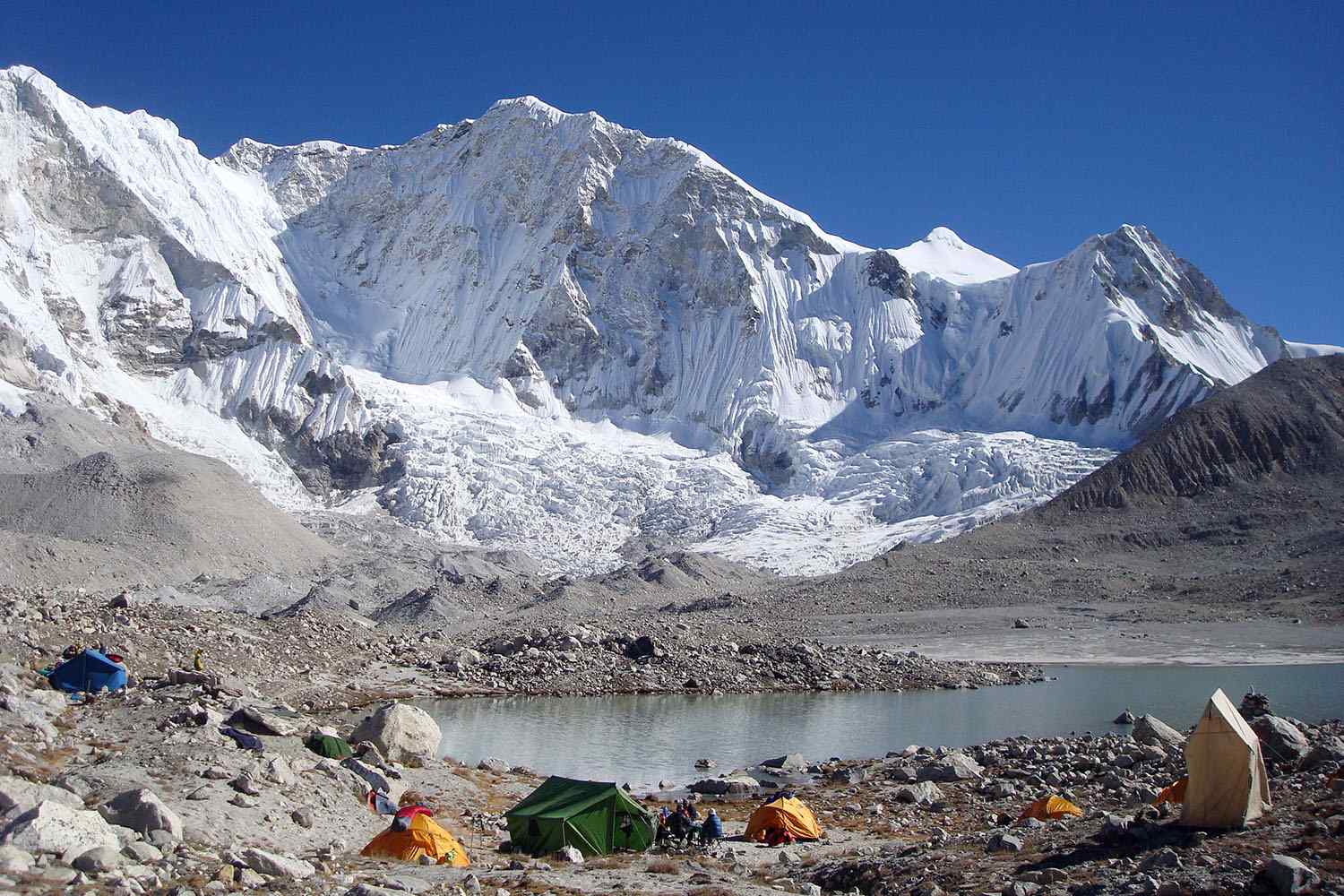
Mera (North) peak is recognized as one of the highest trekking peaks, having a wide popularity among novice and experienced mountaineers. Like Mt. Everest, it is part of Mahalangur Himalayan range and likes in the famous Khumbu trekking region.
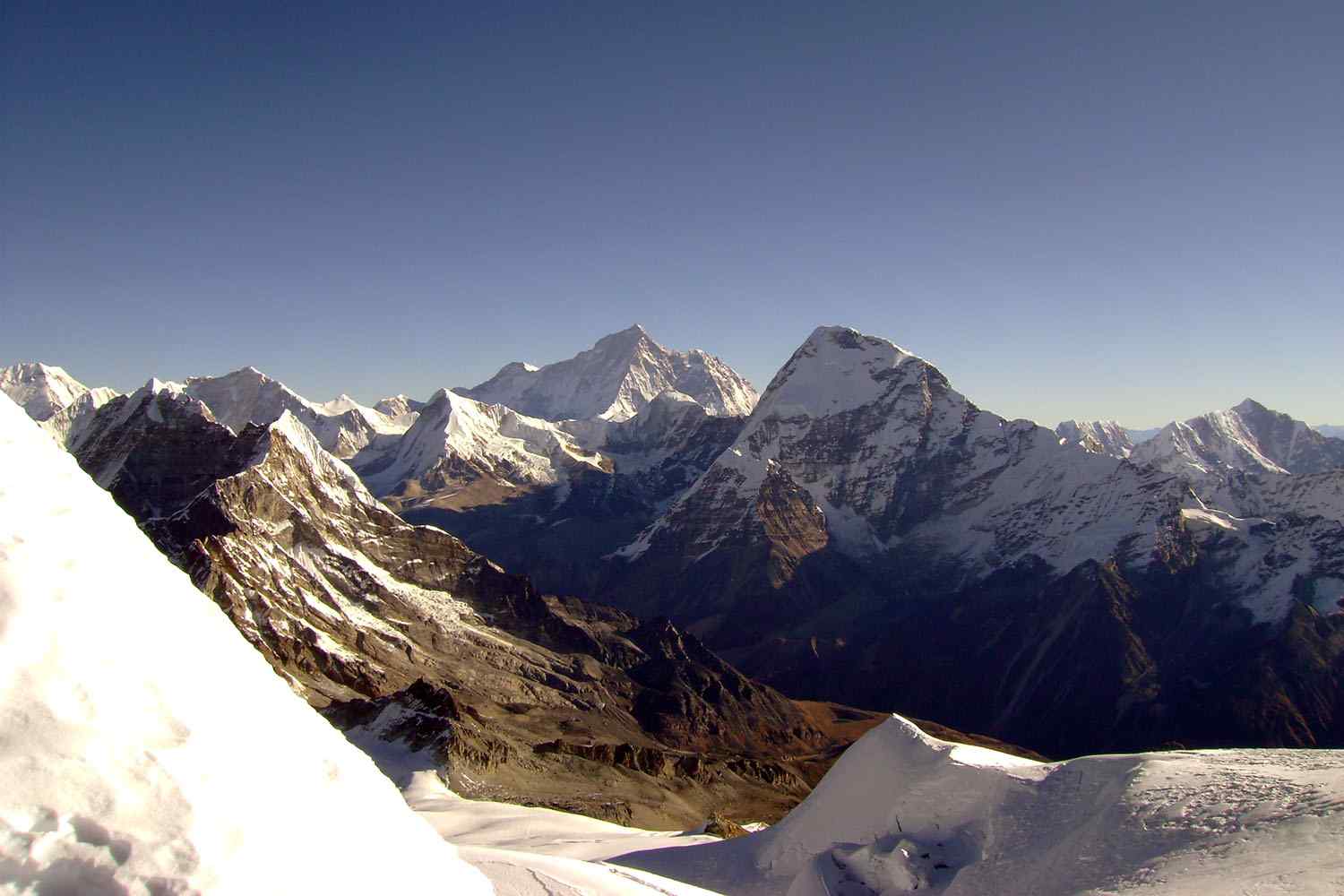
Mera peak consists of three peaks: Mera North (6,476m), Mera Central (6,461m) and Mera South (6,065m). There is a dispute over who climbed Mera north first, with claims between 1975 and 1973. Mera south on the other hand was climbed by Mal Duff and Ian Tattersall in 1986. Mera (North) peak rewards with heart-stopping views of five highest mountains, namely Mount Everest(8848m), Kangchenjunga(8586m), Lhotse(8516m), Makalu(8485m) and Cho Oyu(8201m) along with Nuptse, Cholatse, Ama Dablam, Chamlang and Baruntse.
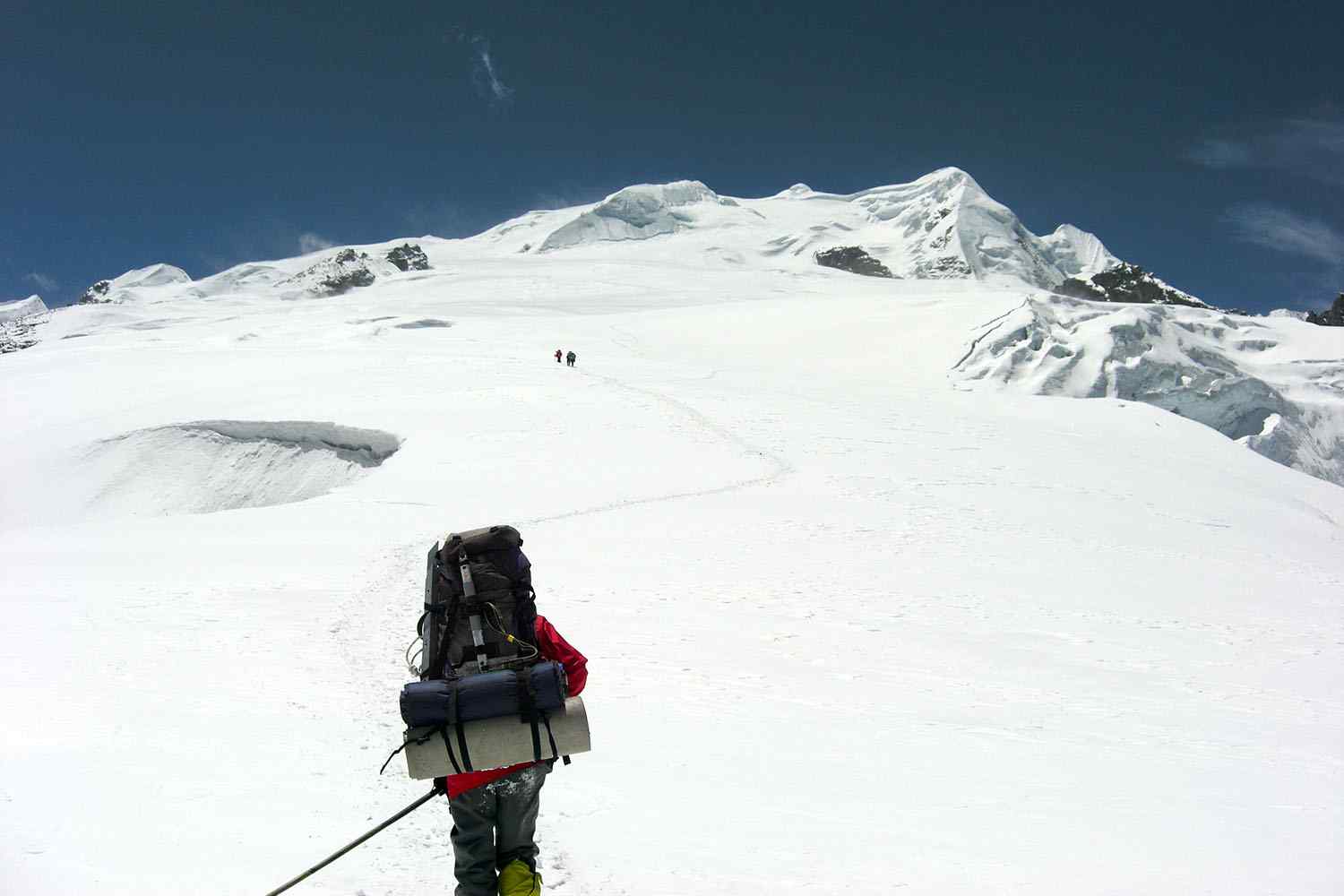
Mera peak is a snowy mountaintop and is considered a non-technical mountain. Though you will require adequate acclimatization period and involve in glacier walking. One also needs to be before proficient in walking on crampons, using harnesses and ice axes. Mera Base camp will be positioned at 5680m while the High camp is set at 5780m.
The duration of Mera peak climbing is just 3 days however you will have to spend considerable time in trekking in Khumbu and Hinku valley. So a minimum of 3 weeks is necessary to complete the climbing program.
● Mera peak is one of the highest trekking peak and is part of Mahalangur Himal range
● 360 degree views of five highest mountains including Everest, Kanchenjunga, Lhotse, and Cho Oyu from the mountaintop
● Get a taste of Himalayan mountaineering
● Trek through Khumbu and Hinku Valley- the Sherpa homeland Cross Zatrwa La (4610m) pass
● All airport/hotel transfers by private vehicle.
● Four nights accommodation at a 3-Star hotel in Kathmandu with BB plan on twin/double sharing basis.
● All accomodation in a standard tea house during the trekking trails.
● Full board meals during trek & climbing period – Breakfast, Lunch and Dinner
● An experienced licensed English-Speaking professional sherpa guide, porters and supporting staff.
● Round trip domestic flight ticket(Kathmandu-Lukla-Kathmandu).
● All essential ground transportation by private vehicle as per itinerary.
● Climbing permit for Mera Peak.
● All necessary permits (TIMS, Park fees, Restricted area permit, world heritage sites entry fee where applicable)
● All necessary climbing gears.
● Kitchen equipments and camping equipments during climbing period
● Farewell dinner in Kathmandu.
● Insurance for all staff
● A comprehensive medical kit.
● All government and local taxes
● Nepal Visa Fee
● International airfare to and from Kathmandu
● Personal Climbing Gears.
● Meals in Kathmandu
● Any kind of refreshment beverages and alcohol.
● Extra days accomodation in Kathmandu in cases of early arrival, late departure, and early return from the mountains (due to any reason) than the scheduled itinerary.
● Travel and rescue insurance.
● Personal expenses (phone calls, laundry, bar bills, battery recharge, extra porters, bottle or boiled water, shower, etc.)
● Any extra costs resulting from cancellation, landslide, weather, political unrest or illness
● Rescue and evacuation
● Tips for guide, drivers and supporting staff.
1. Clothing
● Thermal Base Layers – Tops and Bottoms
● Heavy Base Layers
● Trekking Pants
● Hard-shell pants
● Down Pant
● T-shirts – Short and long sleeve
● Mid Layer Top
● Insulated Jacket
● Hard-shell Jacket
● Down Jacket/Parka
● Raincoat
2. Footwear
Double insulated mountaineering boots for climbing Hiking boots (Full and waterproof) for approach lightweight shoes for camp and around town
● Gaiters
● Flip-flops
● Wool/Synthetic socks
● Liner socks
3. Handwear
● Liner gloves
● Mid-weight gloves
● Down mittens
4. Headwear
● Cap/Sun Hat
● Buff
● Balaclava
● Warm wool/Synthetic Hat
● Eye Wear (Full coverage around eyes and nose)
● Ski Goggles
5. Climbing Gears
● Helmet
● Ice Axe
● Crampons
● Harness
● Carabiners
● Belay Device/Figure of 8
● Ascender/Jumar
● Prusik Cord
● Trekking Poles
6. Backpacking
● Small pack (35-40 litres)
● Waterproof duffel bag
● Padlocks for the duffel bag
● Pack cover
7. Accessories
● Water Bottles
● Headlamp
● Camera & Batteries
● Power bank/Solar Charger
● Universal adapter
8. Hygiene and first aid
● Skincare ( Moisturizer ,sunscreen and lip balm)
● Toilet paper and wet wipes
● Personal first aid kit
● Water treatment
Group Size
Peak Climbing and Expedition is a challenging task requiring perfect management and detailed information. We accommodate up to 12 climbers in one climbing and expedition group. We believe this standard size is fit for achieving efficiency and quality and to achieve success. Each expedition group we organize will be provided with one licensed, highly experienced, English- speaking Sherpa Climbing guide and one assistant guide. Other supporting staff will include one porter for each pax, one cook and two kitchen helpers. According to government regulations, one government officer will also accompany the group. Only 20 kg are allowed to each porter. Our field staff will also include one guide who is adept in administering first aid. Helicopter rescue operation, if needed, can be arranged that you
Accomodation.
The accommodations are chosen based on climbing itinerary, comfort level, budget and interests of trekkers and accessibility in terms of scenery and trail. Most arrangements are made on a Bed & Breakfast basis in deluxe – star hotels in cities. Depending upon your interests, a wide range of hotels are available in city areas such as Kathmandu, Pokhara, etc. During the trekking trail, there are plenty of lodges, teahouses, guesthouses and sometimes even hotels for accommodation. A teahouse/lodge trek offers simple to moderate facilities, with simple beds, solar-powered hot water and a limited set of cuisines/meals. During the climbing period, you will be staying in camps/tents and food will be prepared by your kitchen staff in camping sites.
For this peak climbing we offer three types of accommodation, ‘3-Star Hotel’ in the city, ‘Tea Houses/Lodges’ in the trekking trail and ‘Camping’ during the trekking trail. City accommodation will be arranged in Double/ Twin Sharing basis in Deluxe hotel on bed & breakfast plan. We look at the conditions of the inns, local hygiene, quality of food, type of service and more. The location for camping is identified and chosen by trekking Sherpas and the decision is based on pre-designed itinerary and other features including views and accessibility. Camping will include camping tent, dining tent, kitchen tent, toilet tent, sleeping bags, mattress etc. Please let us know beforehand if you exchange double/twin sharing beds for single beds. The availability of beds also depends on seasonality with limited choices available in peak season.
Foods
Major cities in Nepal have no shortage of restaurants, bars and great eateries where you will be able to eat any local or international dishes. The dining experience in cities is of international standards and quality. The choices become limited once you enter the trekking trail. In contrast, there might not be as much variety of cuisines available on the trekking trail. Trekking lodges and small eateries along the trail will offer you basic diets such as Nepali Dal Bhat, sandwich, apple pie and pizza and regular beverages. During the climbing period, our field staff will carry food throughout the trail and will prepare meals and beverages in the camping site. The menu is pre-designed and attached to the program itinerary and shared with you for confirmation before the trekking program begins. Water will be provided for our guests in boiled and purified form.
For this peak climbing we offer you full board (Breakfast, Lunch & Dinner) during the trekking trail and climbing period as per menu. Please note that full board meals are not included during your transition stay in city areas, guests will have to pay for the meals (dinner and lunch), alcohol, hot & cold beverages and mineral water.