Currency Converter: EUR/USD
Do not hesitage to give us a call. We are an expert team and we are happy to talk to you.
+977-9851001832
info@asiabuddhisttours.com


Located in Manang district of Annapurna region, Pisang peak is perhaps the most popular ‘trekking peak’ among both experienced and beginner climbers.
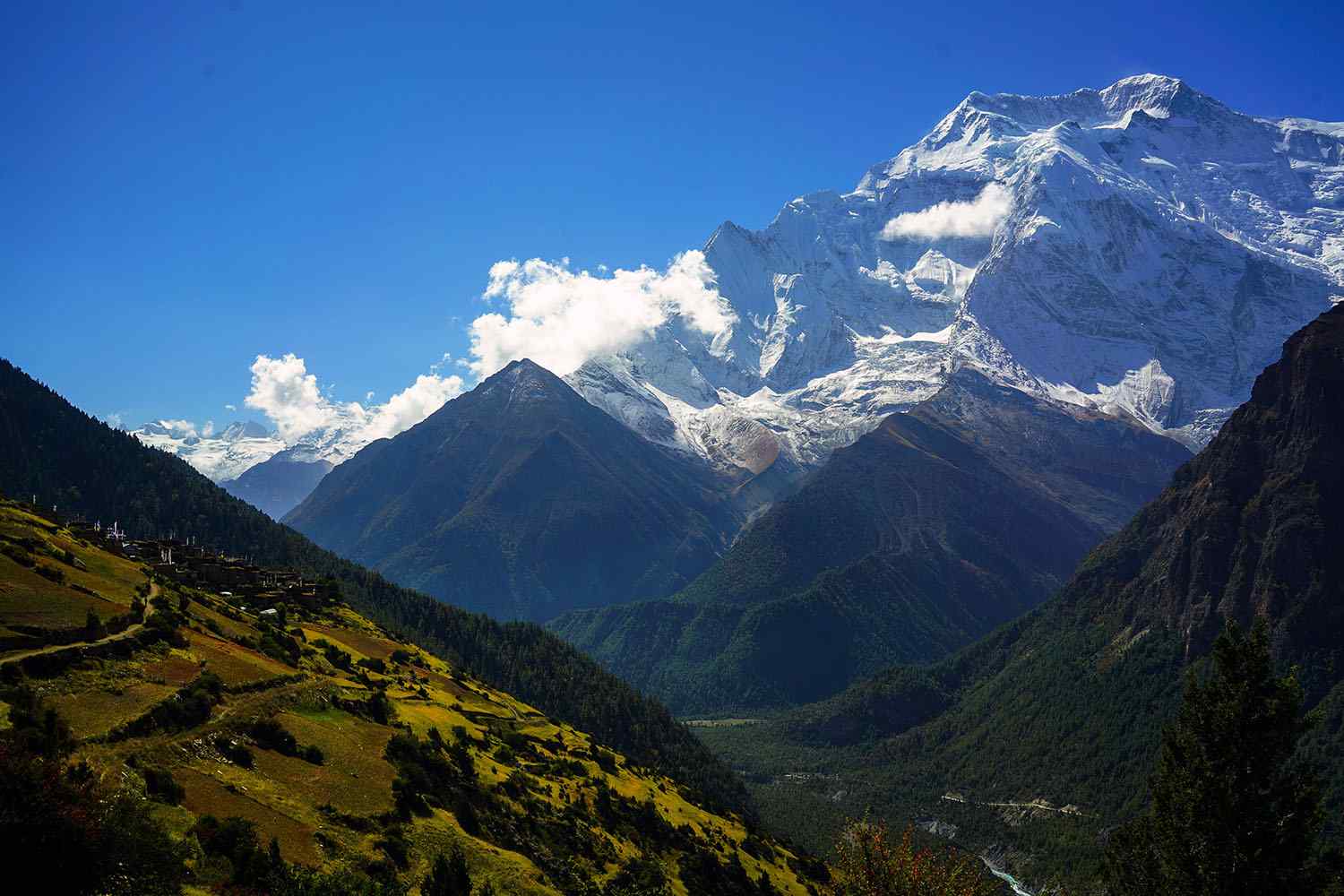
Also called Zong Ri, Pisang peak appears to rear its head among the three giants, namely Annapurna I, Annapurna II and Manaslu. The first record of climbing the peak was in 1955 and since then scores of mountaineers as well as trekkers have successfully attempted to climb the peak. The peak offers impressive and stunning views of Annapurna and Manaslu ranges.
It is a fairly straight forward path to the summit from the base camp. You will have to follow a rocky path initially and then through snow to the summit. The base camp of Mera peak is installed at 4800m and the High camp at 5500m.
Pisang peak is regarded as a non-technical mountain, meaning there is no need to acquire hard mountaineering skills to climb it. However it is necessary on the part of interested climbers to have great physical fitness and endurance and adequate acclimatization period.
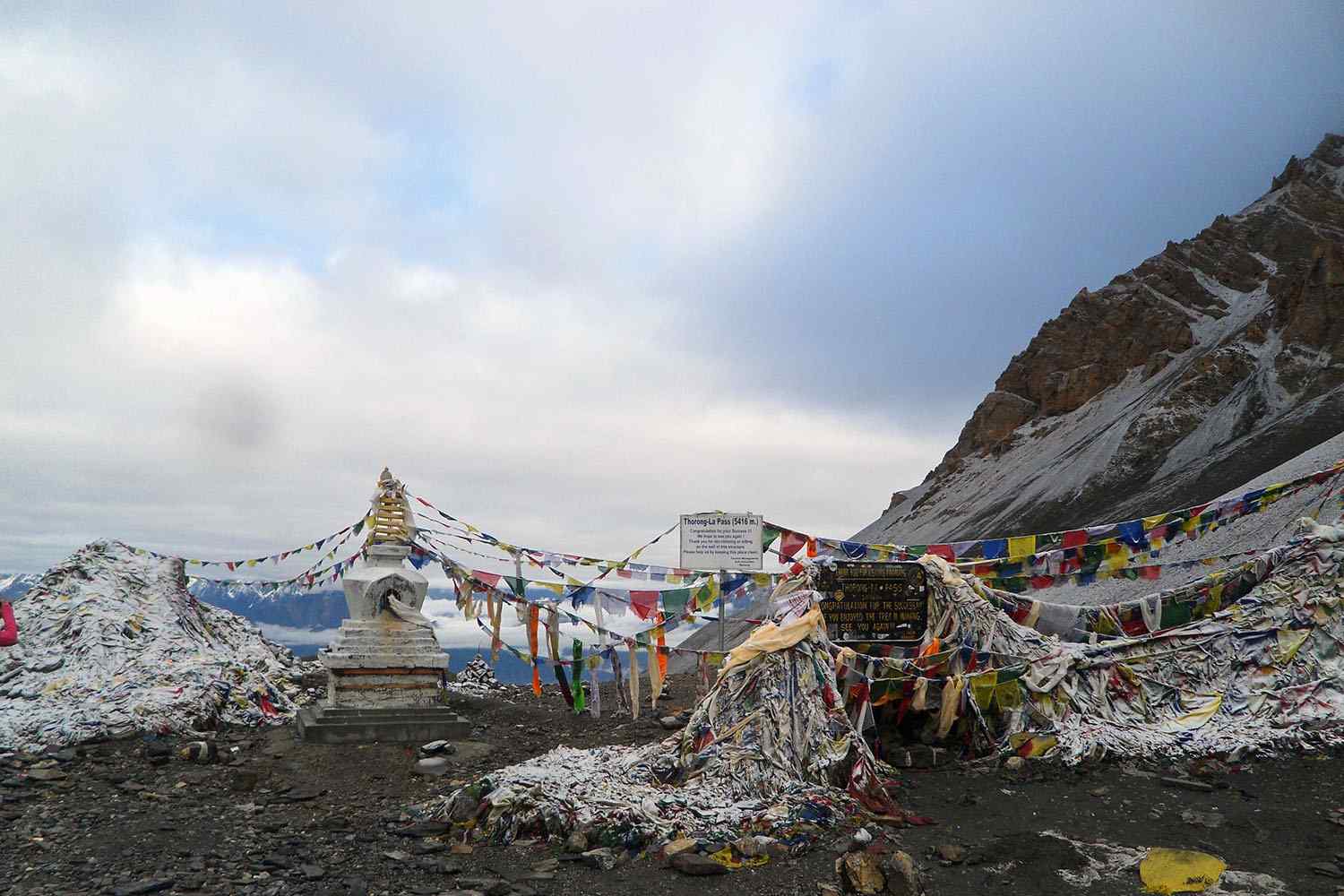
Pisang peak climbing combines with Annapurna Circuit trekking route which includes trek along Marshyangdi and Kali Gandaki valley, make crossing of Thorong La pass (5416m) and visit to Muktinath temple (Chumig Gyatsa), Jomsom and Kagbeni.
● Pisang peak is a popular and easy climbing peak suitable for all level of climbers
● Capture magnificent views of Annapurna I, Annapurna II and Manaslu from the top
● Follow the Annapurna circuit trekking trail
● Cross Thorong La pass
● Explore Kaligandaki and Marshyangdi Valleys Visit Chumig Gyatsa temple.
● All airport/hotel transfers by private vehicle.
● Three nights accommodation in Kathmandu at a 3-Star hotel on twin/double sharing basis with BB plan.
● One night accomodation in Pokhara at a 3-Star hotel on twin/double sharing basis with BB plan
● All accomodation in a standard tea house during the trekking trails.
● Full board meals during trek & climbing period – Breakfast, Lunch and Dinner
● An experienced licensed English-Speaking professional sherpa guide, porters and supporting staff.
● All essential ground transportation by private vehicle and tourist bus as per itinerary.
● One way flight ticket from Jomsom to Pokhara
● Climbing permit for Pisang Peak.
● All necessary permits (TIMS, Park fees, Restricted area permit, world heritage sites entry fee where applicable) ● All necessary climbing gears.
● Kitchen equipments and camping equipments during climbing period
● Insurance for all staff
● Farewell dinner in Kathmandu.
● A comprehensive medical kit.
● All government and local taxes
● Nepal Visa Fee
● International airfare to and from Kathmandu
● Personal Climbing Gears.
● Meals in Kathmandu and Pokhara
● Any kind of refreshment beverages and alcohol.
● Extra days accomodation in Kathmandu and Pokhara in cases of early arrival, late departure, and early return from the mountains (due to any reason) than the scheduled itinerary.
● Travel and rescue insurance.
● Personal expenses (phone calls, laundry, bar bills, battery recharge, extra porters, bottle or boiled water, shower, etc.)
● Any extra costs resulting from cancellation, landslide, weather, political unrest or illness
● Tips for guide, drivers and supporting staff.
1. Clothing
● Thermal Base Layers – Tops and Bottoms
● Heavy Base Layers
● Trekking Pants
● Hard-shell pants
● Down Pant
● T-shirts – Short and long sleeve
● Mid Layer Top
● Insulated Jacket
● Hard-shell Jacket
● Down Jacket/Parka
● Raincoat
2. Footwear
Double insulated mountaineering boots for climbing Hiking boots (Full and waterproof) for approach lightweight shoes for camp and around town
● Gaiters
● Flip-flops
● Wool/Synthetic socks
● Liner socks
3. Handwear
● Liner gloves
● Mid-weight gloves
● Down mittens
4. Headwear
● Cap/Sun Hat
● Buff
● Balaclava
● Warm wool/Synthetic Hat
● Eye Wear (Full coverage around eyes and nose)
● Ski Goggles
5. Climbing Gears
● Helmet
● Ice Axe
● Crampons
● Harness
● Carabiners
● Belay Device/Figure of 8
● Ascender/Jumar
● Prusik Cord
● Trekking Poles
6. Backpacking
● Small pack (35-40 litres)
● Waterproof duffel bag
● Padlocks for the duffel bag
● Pack cover
7. Accessories
● Water Bottles
● Headlamp
● Camera & Batteries
● Power bank/Solar Charger
● Universal adapter
8. Hygiene and first aid
● Skincare ( Moisturizer ,sunscreen and lip balm)
● Toilet paper and wet wipes
● Personal first aid kit
● Water treatment
Group Size
Peak Climbing and Expedition is a challenging task requiring perfect management and detailed information. We accommodate up to 12 climbers in one climbing and expedition group. We believe this standard size is fit for achieving efficiency and quality and to achieve success. Each expedition group we organize will be provided with one licensed, highly experienced, English- speaking Sherpa Climbing guide and one assistant guide. Other supporting staff will include one porter for each pax, one cook and two kitchen helpers. According to government regulations, one government officer will also accompany the group. Only 20 kg are allowed to each porter. Our field staff will also include one guide who is adept in administering first aid. Helicopter rescue operation, if needed, can be arranged that you
Accomodation.
The accommodations are chosen based on climbing itinerary, comfort level, budget and interests of trekkers and accessibility in terms of scenery and trail. Most arrangements are made on a Bed & Breakfast basis in deluxe – star hotels in cities. Depending upon your interests, a wide range of hotels are available in city areas such as Kathmandu, Pokhara, etc. During the trekking trail, there are plenty of lodges, teahouses, guesthouses and sometimes even hotels for accommodation. A teahouse/lodge trek offers simple to moderate facilities, with simple beds, solar-powered hot water and a limited set of cuisines/meals. During the climbing period, you will be staying in camps/tents and food will be prepared by your kitchen staff in camping sites.
For this peak climbing we offer three types of accommodation, ‘3-Star Hotel’ in the city, ‘Tea Houses/Lodges’ in the trekking trail and ‘Camping’ during the trekking trail. City accommodation will be arranged in Double/ Twin Sharing basis in Deluxe hotel on bed & breakfast plan. We look at the conditions of the inns, local hygiene, quality of food, type of service and more. The location for camping is identified and chosen by trekking Sherpas and the decision is based on pre-designed itinerary and other features including views and accessibility. Camping will include camping tent, dining tent, kitchen tent, toilet tent, sleeping bags, mattress etc. Please let us know beforehand if you exchange double/twin sharing beds for single beds. The availability of beds also depends on seasonality with limited choices available in peak season.
Foods
Major cities in Nepal have no shortage of restaurants, bars and great eateries where you will be able to eat any local or international dishes. The dining experience in cities is of international standards and quality. The choices become limited once you enter the trekking trail. In contrast, there might not be as much variety of cuisines available on the trekking trail. Trekking lodges and small eateries along the trail will offer you basic diets such as Nepali Dal Bhat, sandwich, apple pie and pizza and regular beverages. During the climbing period, our field staff will carry food throughout the trail and will prepare meals and beverages in the camping site. The menu is pre-designed and attached to the program itinerary and shared with you for confirmation before the trekking program begins. Water will be provided for our guests in boiled and purified form.
For this peak climbing we offer you full board (Breakfast, Lunch & Dinner) during the trekking trail and climbing period as per menu. Please note that full board meals are not included during your transition stay in city areas, guests will have to pay for the meals (dinner and lunch), alcohol, hot & cold beverages and mineral water.
Our staff will be there to receive you upon your arrival in Nepal at Tribhuvan International Airport. From there you will be dropped to your hotel where you can relax and rest. Later visit our office where you will attend a short briefing about your trip by your trek/tour guide. Stay overnight in Kathmandu .
This is a day allocated for climbing preparation. Your guide will check all your personal equipment & gears and give a short briefing. Take a rest and stay overnight in Kathmandu.
Take early morning breakfast and then get ready for a long drive from Kathmandu to Besisahar. The journey takes about 8 hrs and follows the Prithivi Highway, winding along Trishuli and Marshyangdi Rivers, green hills and scenic villages.Stay overnight in Besisahar.
After breakfast we will take a 6 hrs drive from Besisahar to Dharapani. Stay overnight in Dharapani.
Today the trail will enter proper Manang Valley beyond Chame. You will be trekking through the forested path of pine and fir. Enjoy the views of Manaslu, Annapurna II and Lamjung Himal on the way. As the trail climbs gradually through rhododendron and descends by a large pine forest. You will come across villages of Thanchowk and Koto, the latter featuring a gompa, before finally arriving at Chame. Being a district headquarters of Manang District, Chame has good accommodation facilities, mani walls, hot spring and even a bank branch. Chame offers great views of Lamjung himal, Annapurna II & IV. Stay overnight at Chame.
The trekking duration from Chame to Pisang is about 5 hrs. You will start a level walk through a forest as well as an apple orchard. Within an hour you will reach Bhartang village leading to unique Paungda Danda, which is a huge rock slab situated along Marshyangdi river. This point is a vantage to see awesome views of Annapurna II, South, Pisang and Himalchuli. Again you will cross Marshyangdi River, pass by Dhukur Pokhari and reach Lower and then Upper Pisang. The village hosts a Dzong, a chorten and two gompas and is the entrance to Upper Manang. Enjoy splendid views of Annapurna II and Pisang peak from here. Stay overnight in Upper Pisang.
This is a full day for you to acclimatize to the altitude and weather. Prepare yourself by acquiring mountaineering skills from your Sherpa climbing guide. Stay overnight in Upper Pisang.
This is a crucial day for you as you begin to approach Pisang base camp, the first step towards climbing Pisang peak. The trail takes you through a forested path onto a meadow. From here it is an hour’s walk to the base camp. Stay overnight in Pisang base camp.
Make a climb of almost 700m to the high camp where you will set up the camp for your final launch. Follow the instructions of your Sherpa climbing guide. Stay overnight in a high camp.
There is no guarantee that we will have favorable weather on our planned day for the summit. Therefore, this day is set aside as a contingency in case we are unable to summit the Pisang on the desired day due to bad weather conditions or any other unanticipated reason. However, if the trip goes smoothly, this day will not be required.
Today, we trek along the trail towards Manang valley and pass through tiny and beautiful villages and wooded sections. Stay overnight in Manang.
After breakfast we will start our trek from Manang to Yak kharka. Stay overnight in Yak Kharka.
Today after breakfast, you descend from the base camp to Thorung La Phedi. The trail traverses through moraines and snows for the first part and then gets back on a rocky trail that descends all the way to Thorung La phedi. As we approach Thorung Phedi, the trail becomes much narrower as cliffs cave in. Stay overnight in Thorung La Phedi.
Today is perhaps the most challenging and rewarding day of the trek. We will leave early in the morning after a warm breakfast for the climb of Thorung La pass. Follow the trail towards Marsyangdi River and pass through the river via a wooden bridge before climbing steeply over moraines and rocky ridges. This section is very prone to immediate weather changes with snow frequently occurring. You will get in and out of canyons and spend at least 5 hrs before reaching the top of Thorung La pass, which is easily recognizable by fluttering prayer flags. Enjoy the breathtaking views of Annapurna, Gangapurna, Khatung Kang, Thorungtse and the dry arid land of Manang.
Afterwards descend along snow strewn, slippery paths passing through ravine and dropping to Chumig Gyatsa or Muktinath. Revered by both Buddhists and Hindus, Muktinath is a famous pilgrimage site. Stay overnight in Muktinath.
The trek today will be along Kali Gandaki Valley. Enjoy the views of Nilgiri, Dhaulagiri and Annapurna from here. 15 minutes walk from Muktinath, we come to Ranipauwa. Further down from here you will come across a gompa cave before going through Khingra, Lubra and Kagbeni. Don’t forget to taste apple and apple juice in apple orchards. The trekking section from Kagbeni to Jomsom is most interesting as you walk along Kali Gandaki River facing fierce winds. Jomsom lies on the banks of Kali Gandaki River and was once held as a fort and trading post between Tibet and Nepal.
Today we will take an early morning flight from Jomsom to Pokhara. The flight takes about 20 minutes and is very scenic. In the evening explore Pokhara. Stay overnight in Pokhara.
Enjoy sumptuous breakfast and prepare yourself for a long drive to Kathmandu. It takes about 6 hrs by tourist bus along winding Prithivi Highway with beautiful views of mountain peaks, rolling green hills, rivers and village lifestyle. In the evening we will organize a farewell dinner for you.Stay overnight in Kathmandu.
Time to bid you farewell. Our staff will drive you to Tribhuvan International Airport to catch international flights for your onward journey.